Dastak Na Do Novel Guide to Author, Story, PDF, and Reviews
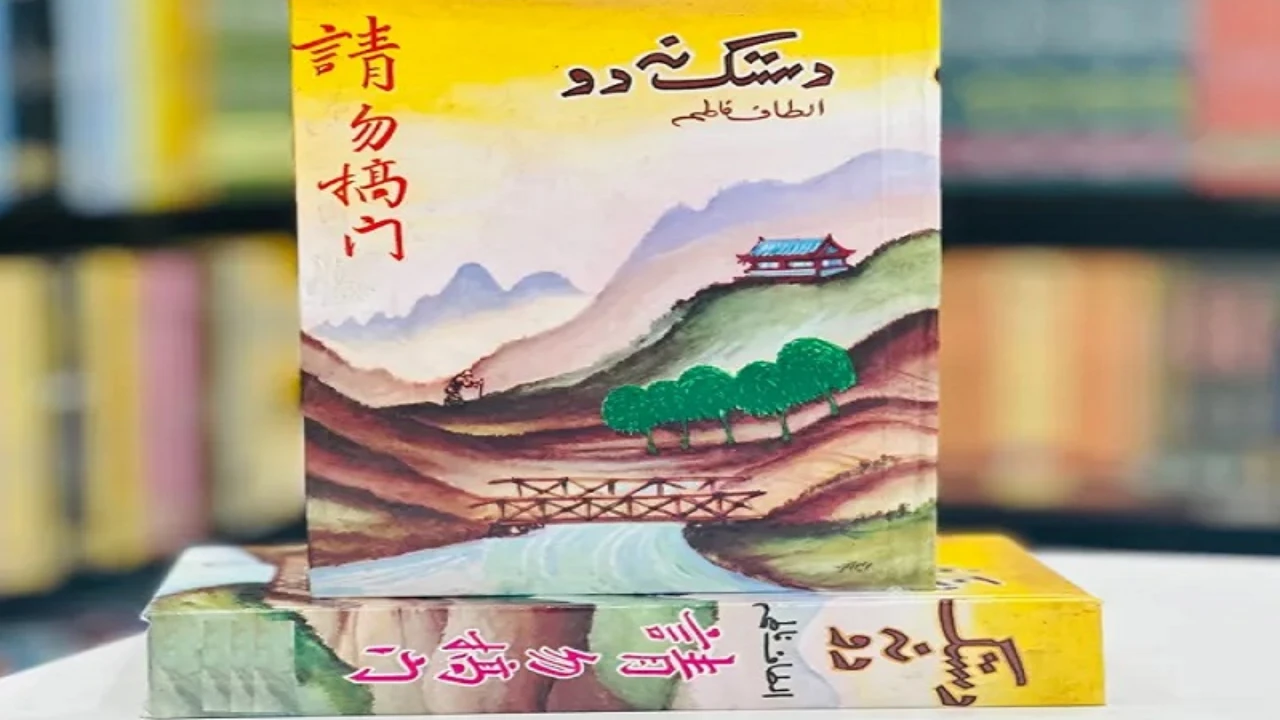
Dastak Na Do is a notable Urdu novel by Altaf Fatima that explores family relationships, women’s lives, social expectations, identity, and the effects of Partition. First published in 1964, the dastak na do novel follows its central character, Gaythi, through personal and social changes connected with the larger historical events of the Indian subcontinent. Readers interested in classic Urdu literature can also explore the Umrao Jan Ada Novel Guide to Author, PDF and Reviews for information about another important Urdu novel.
What Is Dastak Na Do Novel?
Dastak Na Do is a well-known Urdu novel written by Altaf Fatima, one of the important female voices in Urdu fiction. The novel presents a moving story about family, society, women, identity, and the painful changes caused by the Partition of India. The dastak na do novel was first published in 1964 and later became an important work in Urdu literature. It is closely connected with the social and historical atmosphere of pre-Partition India and the difficult period surrounding Partition.
The story follows Gaythi, a young woman from a wealthy Muslim family. Her personal life develops alongside major changes in society, making the novel more than a simple family story.
Basic Information About Dastak Na Do Novel
The following table provides a quick overview for readers who want the main details before starting the book.
| Detail | Information |
|---|---|
| Novel Name | Dastak Na Do / دستک نہ دو |
| Author | Altaf Fatima |
| Language | Urdu |
| Genre | Historical fiction, literary fiction |
| First Publication | 1964 |
| Publisher listed by Rekhta | Firoz Sons Limited, Lahore |
| Digital Edition Pages | 785 pages |
| Main Setting | Pre-Partition India and the Partition period |
| Central Character | Gaythi |
| Major Themes | Partition, family, women, identity, displacement |
| English Translation | Available in translated form |
| TV Adaptation | Adapted for Pakistan Television |
The edition details can differ between print and digital versions. Rekhta’s current listing identifies its available Urdu edition as 785 pages.
About the Author – Altaf Fatima
Altaf Fatima was an important Urdu novelist, short-story writer, translator, and teacher. Rekhta records her life as 1929–2018 and describes her as a noted Pakistani fiction writer known especially for writing about women’s issues. She was born in Lucknow in British India and later lived in Lahore. Her literary career covered several decades, and she produced novels, short stories, translations, and other literary work.
Her writing often focuses on ordinary people and the problems they face within families and society. She gives special attention to women’s experiences, social restrictions, relationships, and the effects of historical change. Altaf Fatima’s other literary works include Jab Deewaren Girya Karti Hain, My Lord Huqqa, Naghme Ka Qatl, Taar-e-Ankaboot, and other books listed in literary collections.
Style and Themes of the Novel
The writing style of the dastak na do novel is one reason the book continues to interest Urdu readers. Altaf Fatima combines personal storytelling with social observation, allowing readers to understand history through the lives of individual characters.
The novel does not treat Partition as an isolated political event. It shows how political tension can change friendships, families, homes, communities, and personal identities.
Popularity of the Novel in Urdu Community
The popularity of the dastak na do novel comes from its combination of history and human emotion. It is not simply a story about Partition because the characters have personal struggles that make the historical setting feel real. Rekhta describes the book as a significant work and notes that its characters contributed greatly to its fame. The platform also records that the novel was included in the Urdu curriculum and later received an English translation.
Reader platforms also show continued interest in the book. Goodreads currently lists the novel with a rating of around 4.1 out of 5, based on more than 200 ratings, although reader ratings can change over time. Modern Urdu-reading communities continue to recommend the novel when readers ask for classic literature. Recent reader discussions also describe it as a beautiful and memorable historical novel.
Why Readers Search for the PDF Version
Many readers search for the Dastak Na Do PDF because older Urdu books can sometimes be difficult to find in local bookstores. Digital reading also makes classic literature easier to access on phones, tablets, and computers. Students may search for the book because of its literary value and its place in Urdu education. Other readers may simply want to explore classic Urdu fiction without purchasing a physical copy first.
Another reason is language accessibility. Readers living outside Pakistan or India may find it easier to search online for an Urdu digital edition than to locate a printed copy. However, readers should remember that not every PDF found through a search engine is legally uploaded. A file being available online does not automatically mean that it is free from copyright restrictions.
Safe Ways to Access the PDF Online
The safest approach is to look for a legitimate digital edition or an authorized library copy. Rekhta currently lists Dastak Na Do as an Urdu ebook and provides book information including the author, publisher, language, and page count. Readers can visit Rekhta’s official ebook listing to check whether the digital edition is available for online reading. The platform identifies the work as Dastak Na Do by Altaf Fatima and lists Firoz Sons Limited, Lahore, as the publisher.
Using established literary platforms has another advantage. Readers can confirm that they are looking at the correct book rather than an incomplete scan, incorrectly labeled file, or unrelated document. It is also wise to avoid websites that demand suspicious downloads or personal information simply to access an old book. A trusted literary archive or library is usually a better choice.
What Makes the Novel Special?
What makes this novel special is the way Altaf Fatima connects private life with public history. The story does not make historical events feel distant because readers experience them through characters who have homes, relationships, fears, and hopes. The novel also provides a picture of the shared cultural life of pre-Partition India. Rekhta’s description highlights the representation of a time when Hindu and Muslim communities lived together before the events that changed the region.
Another strength is the author’s attention to detail. She does not rush through emotional changes, which gives the characters space to develop and makes their experiences easier to understand. The book also has value for students of history and literature. It demonstrates how fiction can preserve memories of a period while also raising questions about identity, society, gender, and belonging.
Is the PDF Free or Paid?
Whether the dastak na do novel PDF is free or paid depends on the source and edition. Some literary archives may offer access to an ebook as part of their reading service, while printed editions and commercial digital editions may require payment. Readers should not assume that every free PDF on the internet is legally distributed. The safest option is to use a recognized archive, library, publisher, or authorized bookseller.
Rekhta currently provides an online listing for the Urdu ebook. Its page identifies the publisher and book information, making it a useful starting point for readers who want to check an authorized digital reading option. For readers who prefer physical books, used-book sellers and Urdu bookshops may also have older editions. Availability can vary depending on location and current stock.
Reader Reviews and Public Response
Reader response to Dastak Na Do remains positive among people interested in classic Urdu literature. Goodreads currently shows a rating of about 4.1/5 from more than 200 ratings, suggesting that the dastak na do novel has maintained a strong reader audience. The public response is not limited to older readers, as online Urdu-reading discussions continue to recommend the book to people who enjoy historical fiction and classic Pakistani literature.
Some readers praise the novel for its emotional depth and realistic portrayal of changing lives. Others appreciate its historical setting and its focus on social relationships rather than relying only on romance or dramatic twists. The novel can feel different from many modern popular Urdu novels because its pace and style are rooted in literary fiction. Readers who enjoy detailed characters, historical settings, and social commentary may find it especially rewarding.
Final Thoughts
Dastak Na Do is an important Urdu novel by Altaf Fatima that brings together history, family, women’s experiences, and the emotional effects of Partition. Its central character, Gaythi, gives the story a personal point of view while the wider historical setting gives it lasting importance. The dastak na do novel remains worth reading because it does not treat history as a collection of dates. Instead, it shows how major changes can affect homes, relationships, identity, and individual choices.
For readers interested in classic Urdu literature, this novel offers a meaningful combination of storytelling and social observation. Its continued appearance in literary collections, reader recommendations, educational discussions, and digital archives shows why it remains an important work for Urdu readers.