
Noise Assessment in Australia: Stop Treating It Like a Report and Start Using It Like a Control System
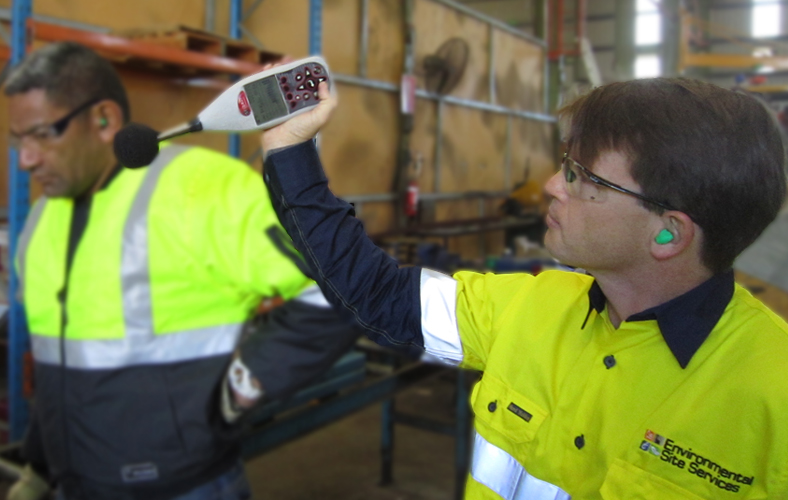
There are very few hazards in the workplace that affect everything all at once. These are safety, productivity, quality, employee retention, and even the experience of customers. Noise is one of these rare hazards. Looking at Australian Noise Assessments, they seem to be a simple compliance exercise. Measure the noise, document it, and move onto the next task. In contrast, organisations that truly appreciate noise and understand how to manage it treat noise like an operational risk, just like you would with downtime, defects, etc.
In the first instance of operational problems, noise damage is often left unassessed. It is noise that often drives near-misses, if not accidents. Communication is broken, instructions must be repeated, and people can miss alarms. Noise often drives people to take shortcuts and to be riskier. That is why an effective Noise Assessment goes beyond just saying that a work area is X dB. It is about gaining an appreciation of the areas where noise diminishes work control.
Turn noise data into actions
Practical Noise Assessments should answer the questions that matter to leaders:
– Where do we see the most “high-risk minutes” during the shift (start-up, changeovers, maintenance)?
– What tasks pose peak exposures that PPE cannot be expected to manage?’
– What is the best combination of engineering and administrative controls for our roster patterns?
– Are our controls working—today, not just on the day we measured?
In Australia, the multi-site operations, contractors and variable shifts make single averaged result particularly misleading.
The best noise prediction and measurement system will include Noise Assessment and Audiometric Testing as a feedback loop.
The primary mindset shift is to see Audiometric Testing as the “quality check” on your noise controls, not as a separate HR/medical function. Noise Assessment provides data on what employees might be exposed to, while Audiometric Testing provides data about what employees have already been exposed to. The two services combined can help you:
– Determine whether the selection and usage of hearing protection is feasible based on aspects such as fitness, comfort, and compatibility with radios.
– Identify and address issues before they lead to claims or resignations.
– Prioritize engineering solutions instead of PPE as the data shows employees are not exerting beyond the stretch of human behavior.
– Reduce the need for management of new employees and contractor induction as you can identify the areas of the workplace to which new employees are most exposed.
– Tailored to workforce design
If hearing protection is obstructive in the heat, is incompatible with other required protection, or prevents the use of radios, it won’t be worn consistently; this is why it is critical PPE is designed to meet the needs of the workforce and provides:
– Engineering controls as the highest priority: isolation, damping, enclosures, upgraded tools and improved maintenance schedules.
– Administrative controls designed to maximize production: schedule noisy activities and located workers in areas with fewer people to reduce noise and create buffer areas to provide quieter activities.
– Communicative PPE of the highest standard used to enable the recognition of alarms and communications and provide recurring short training on these topics to address alarm fatigue, people quitting, and the quality of their work.
Many organizations overlook procurement;however, it is an important tool to support these changes.
Deciding to implement noise specifications when purchasing tools and equipment is taking noise hazards seriously. Incorporate ‘noise by design’ into your purchasing approvals, maintenance contracts, and project approvals, particularly for refurbishments and new production lines. This approach to noise minimizing is also aligned with Australian WHS duties and Safe Work Australia guidelines, assisting with defining your justification for spending as quantifiable risk reducing.
What best practice looks like in Australian workplaces
A fully developed program would have:
A baseline survey for each site and updates with each change to plant/equipment
Task-specific profiling for high-risk roles (maintenance, fabrication, logistics)
Defined intervals to trigger reassessment (layout changes, production increases, incident trends)
A hearing conservation plan that includes Audiometric Testing, PPE selection and refresher training
Supervisors have access to reports that include hotspot mapping, priority actions and “do this next” recommendations
When noise is treated as an operational risk, the benefits extend far beyond compliance. In addition to ensuring that your business is compliant, the proper management of workplace noise leads to an environment in which errors are minimized, coordination is seamless and the workforce exhibits improved retention, reduced fatigue, and an overall improved safety culture. An Audiometric Testing Management Tool is only as good as your workplace Noise Assessment. Your Noise Assessment becomes your most powerful management tool when you allow it to drive the way your workplace is structured and the way your work is done.